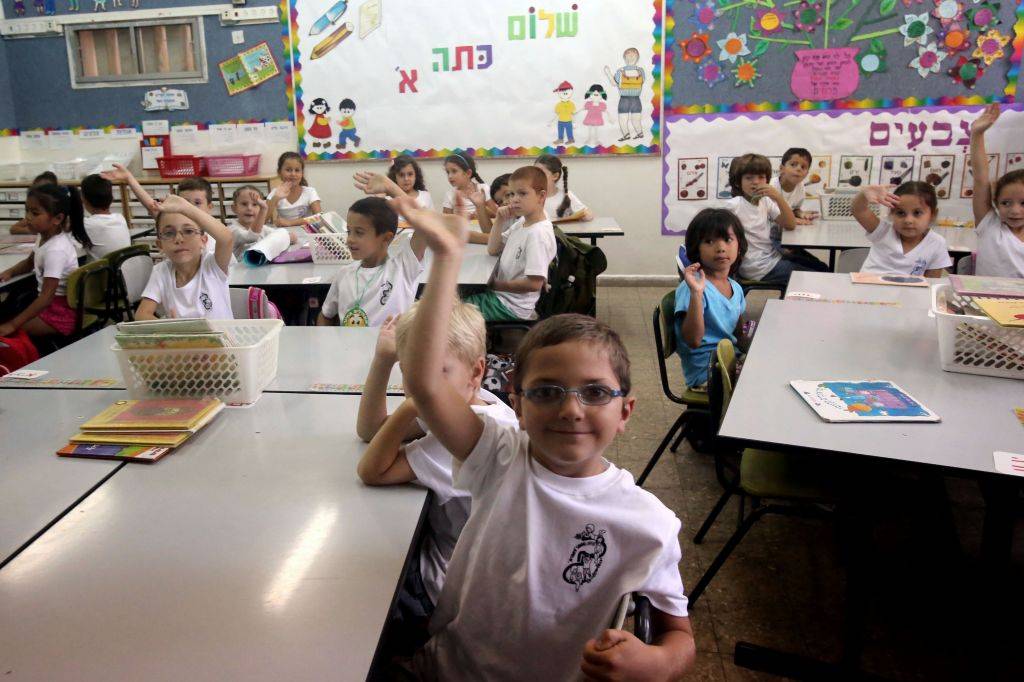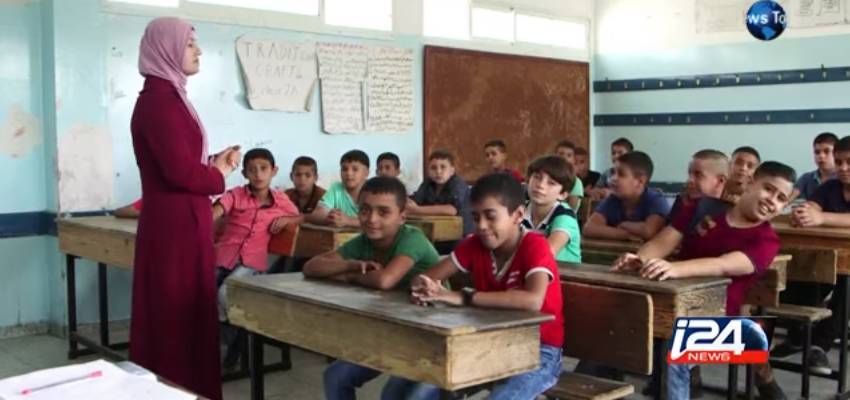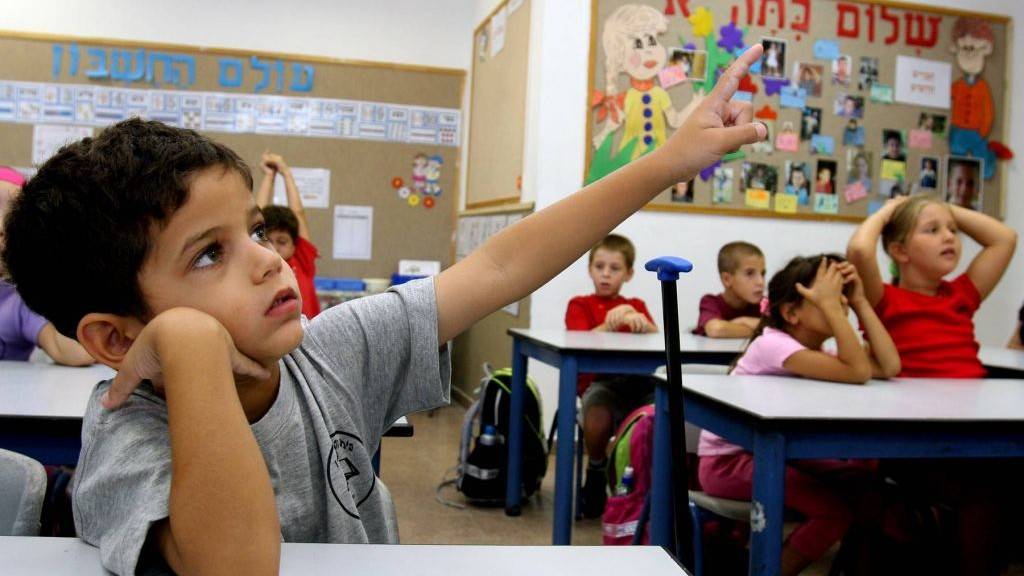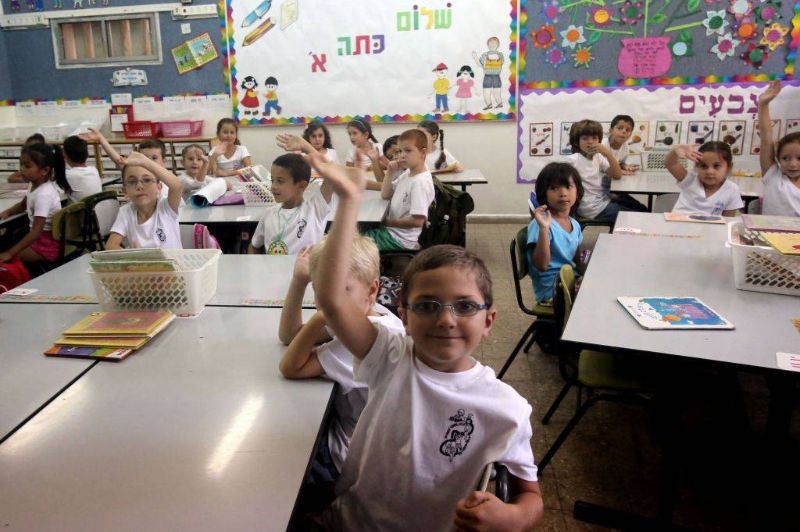
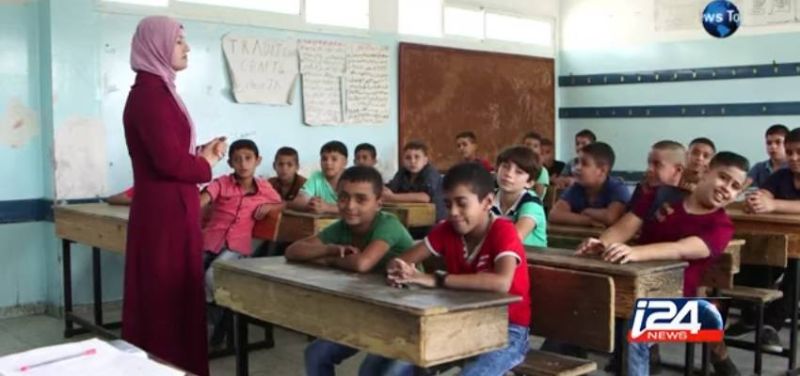
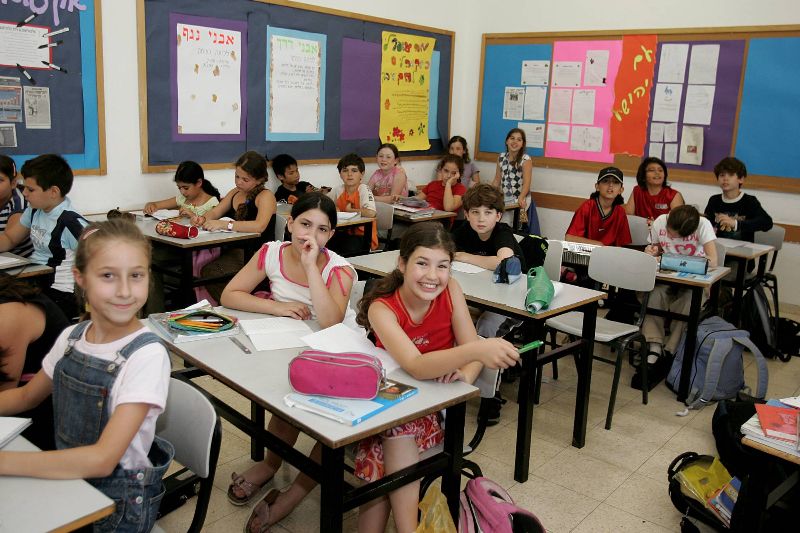
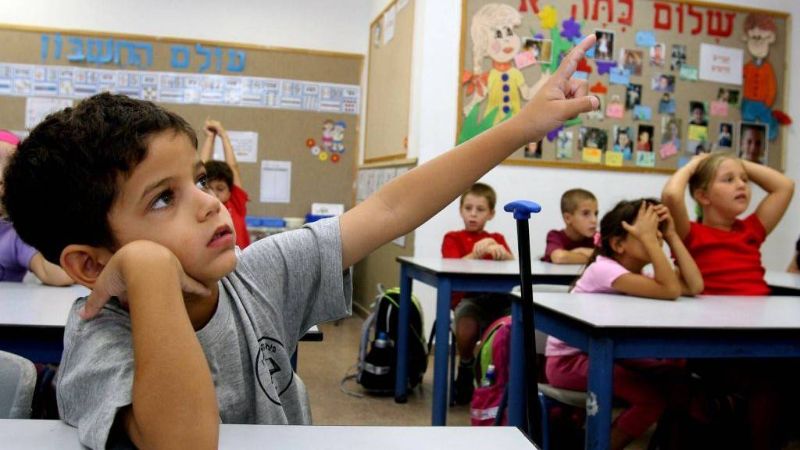
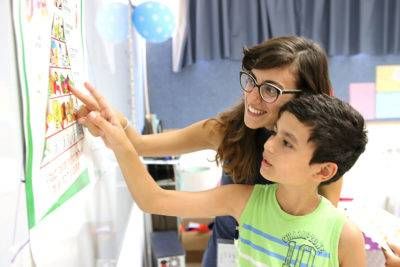
Schools in Israel operate very similarly while accommodating the multiple religious groups in the country.
Religious schools orient toward the spiritual disciplines expected by their own community.
Standards are enforced for all schools at each level.
Compulsory education required for ages 6 through 11.
Compulsory education required for ages 12 through 18.
Compulsory military service for ages 18 through 21 for men and 18 through 20 for women. Israel is unique in that military service is compulsory for both males and females. It is the only country in the world that maintains obligatory military service for women.
During their military service, education continues in history, culture, current events, technical training, and military science. Most leave the military with qualifications to enter university. From Mahal IDF, "Although the army consumes a large percentage of total government spending, it continues to serve as a womb for growth in the Israeli economy. Exporting technology is a pillar of the Israeli economy and engineers who received their formative training in the army's technical units man almost every research and development department in Israel."
The compulsory military service delays university studies until the time when American students are leaving. The average age of an Israeli undergraduate student is about the same as an American seeking employment after going to college.
Images of young people serving in the IDF.
Students enter university with a higher average age in Israel than in the USA. University is widely attended by all Israelis from all backgrounds save the orthodox communities who continue learning within their own schools called "yeshivas".
The average university student is older, more experienced, more travelled, and overall more motivated to complete both undergraduate and graduate schools.
Israeli businesses are famed for their research, innovation and development in engineering, agriculture, medicine, electronics, military, space, construction, etc. This requires a huge pool of educated young people.
For more on technology in Israel, consider this website, Israel21C, which stands for "Israel in the 21st Century".
The State of Israel has representatively elected members of government.
The USA has the same but with differences in who is elected and who enforces the laws.
Political parties elect the leader of the Knesset to serve as the executive and legislative leader of government.
Seldom does one party have enough members to elect a leader outright. This situation requires multiple parties to agree to work together in a coalition that then gives the coalition a majority in the Knesset and the ability to elect the leader of the Knesset. The leader is called the Prime Minister of the State of Israel.
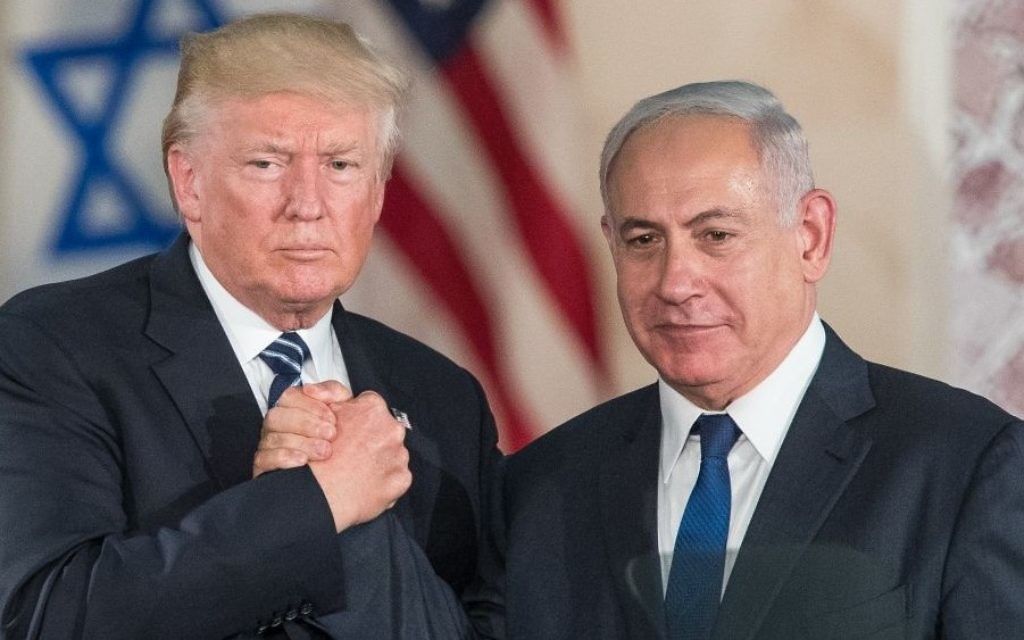
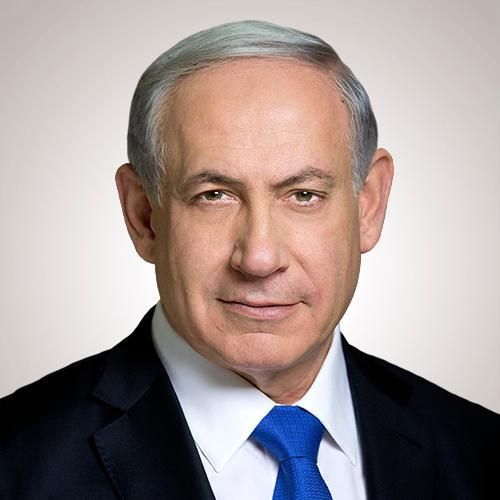
Currently the Prime Minister of the State of Israel is Benjamin Netanyahu. He served previously as the PM. He has been elected again to the position.
The Head of State for the State of Israel is called the President of Israel. The position is largely a ceremonial figurehead role, with executive power effectively being exercised by the prime minister. The current president is Reuven Rivlin. He took office on 24 July 2014. The president serves an indefinite period of time.
The Head of State of the USA is the President of the United States. Mr. Donald John Trump is currently serving as the US President. The president is responsible for carrying out the bills written and passed by the US Congress. If the president agrees with the bill, it is signed and becomes law. The US President is therefore much more powerful than the President of Israel. The PM and the US President hold most of the power of government.
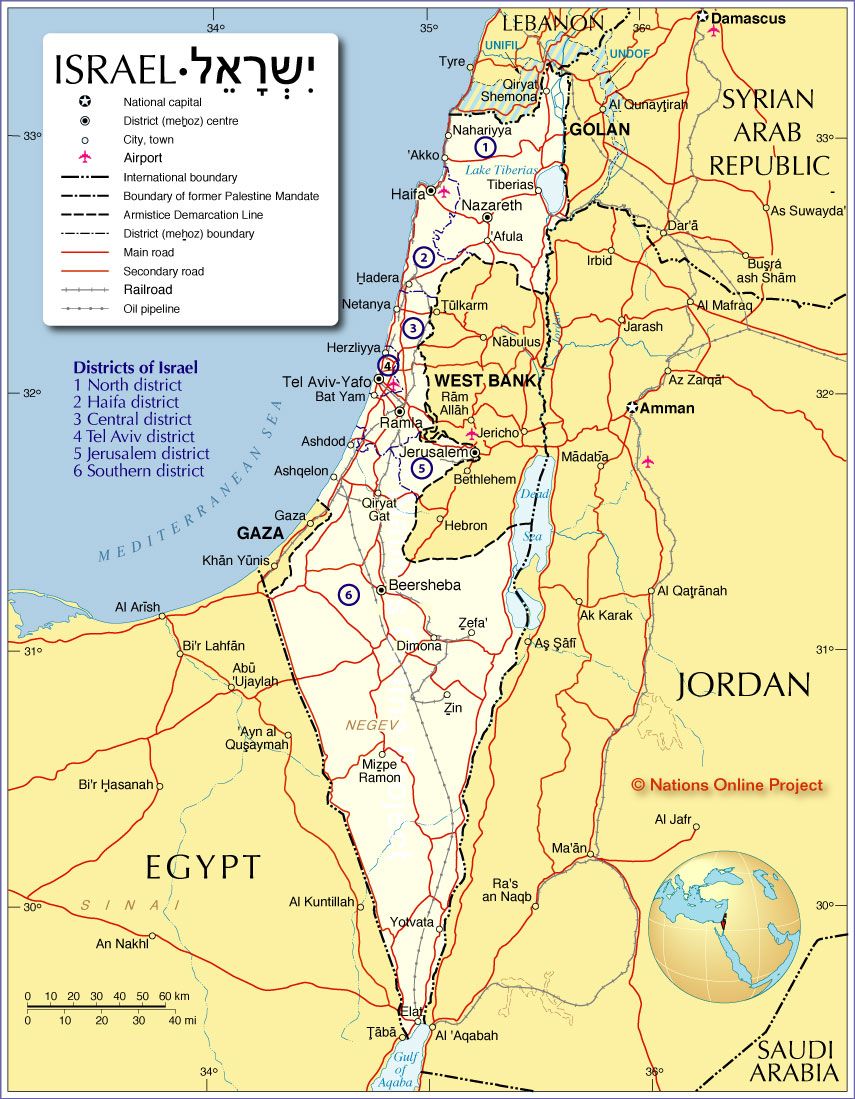
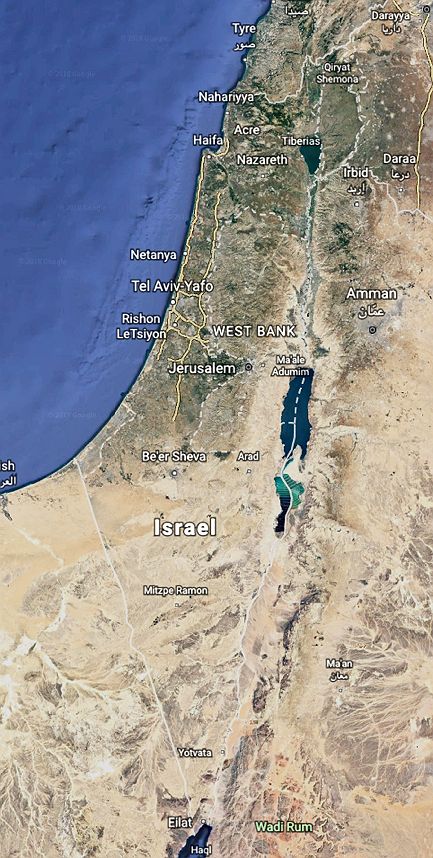
Coastal area is temperate and pleasant. Most agriculture is found here.
In the north, the weather is colder on average due to the higher elevation. Yet agriculture thrives here including banana plantations.
East of Jerusalem are the Judean Hills, dry and barren with sparce vegetation.
South of Beersheba begins the Negev. The Negev is a dry barren desert, very rugid, and mostly void of greenery.
The Dead Sea area is mostly dry desert and barren.
The city of Elat is located at the extreme southern most tip of Israel. The city has become an oasis because of desalinization of sea water.
No strife was observed. The initial disturbances occurred in early December and lasted only a few days. Disturbances were mainly in Arab towns and did not ignite wider concerns.
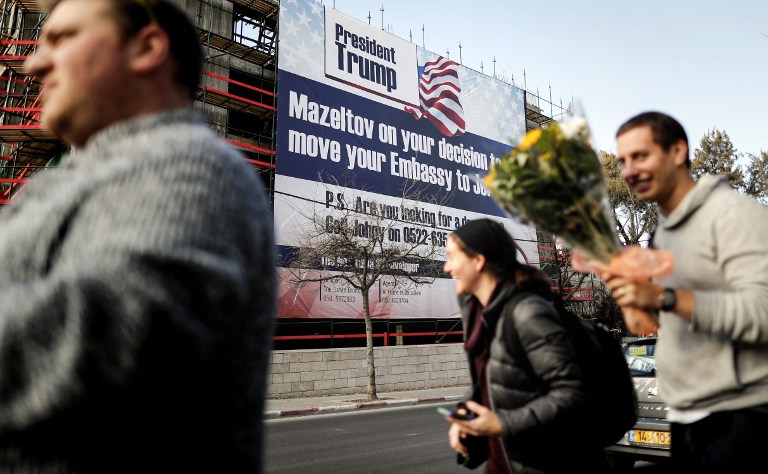
BUT quite unexpectedly, signs appeared throughout the city of Jerusalem and elsewhere in Israel congratulating Mr. Trump for recognizing Jerusalem as Israel's capital. This huge sign is like many others that express thankfulness and gladness by Israelis in the US President's decision to move the US Embassy from Tel Aviv to Jerusalem. I saw several well-made, durable signs throughout Jerusalem expressing gratitude for President Trump's leadership. The signs were strategically hung at crossroads and traffic intersections where they would receive a lot of notice.
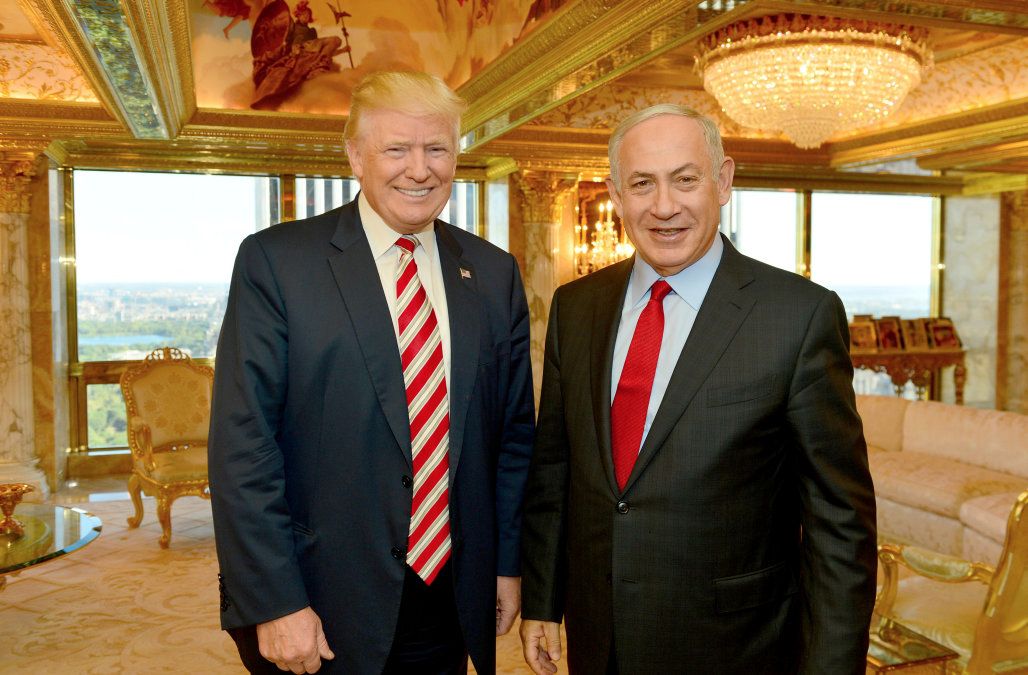
“Thank you President Trump for today's historic decision to recognize Jerusalem as Israel's capital. The Jewish people and the Jewish state will be forever grateful.”
Benjamin Netanyahu
6 December 2017